Ever noticed a single-family home in Wellington that sits tight to one side yard and wondered why? You are looking at a zero-lot-line layout. If you want the feel of a detached home with less yard work and a smart use of space, this setup can be a great fit. In this guide, you will learn what zero-lot-line means, how it works in Wellington, what to check before you buy, and whether it matches your lifestyle. Let’s dive in.
Zero-lot-line, made simple
Quick definition
A zero-lot-line home is a detached single-family house built at or very near one side property line. You still own your own lot. The house is simply placed with little or no side setback on one side.
How builders make it work
Developers use recorded easements, lot design, and sometimes approved setback variances to place a wall on or near the line. The neighboring lot often carries an access or maintenance easement so the zero side can be serviced. Easements can also limit openings on that wall.
Not the same as a townhouse
From the street, a zero-lot-line home may look attached, but it is not. Townhomes share a party wall and are attached units. A zero-lot-line home is detached and sits on its own parcel, which can matter for financing, insurance, and future changes.
Where you see them in Wellington
Community types
You will find zero-lot-line homes in infill single-family neighborhoods, planned-unit developments, and gated communities that focus on efficient land use. Some age-restricted or maintenance-focused communities also use this setup to appeal to buyers who want low upkeep.
Common HOA roles
In many Wellington subdivisions, HOAs influence exterior choices and upkeep. An HOA may handle some exterior maintenance, landscaping, irrigation, and shared drainage. Responsibilities vary by community, so review the covenants and budget to see what is included and how reserves are planned.
Driveways and outdoor space
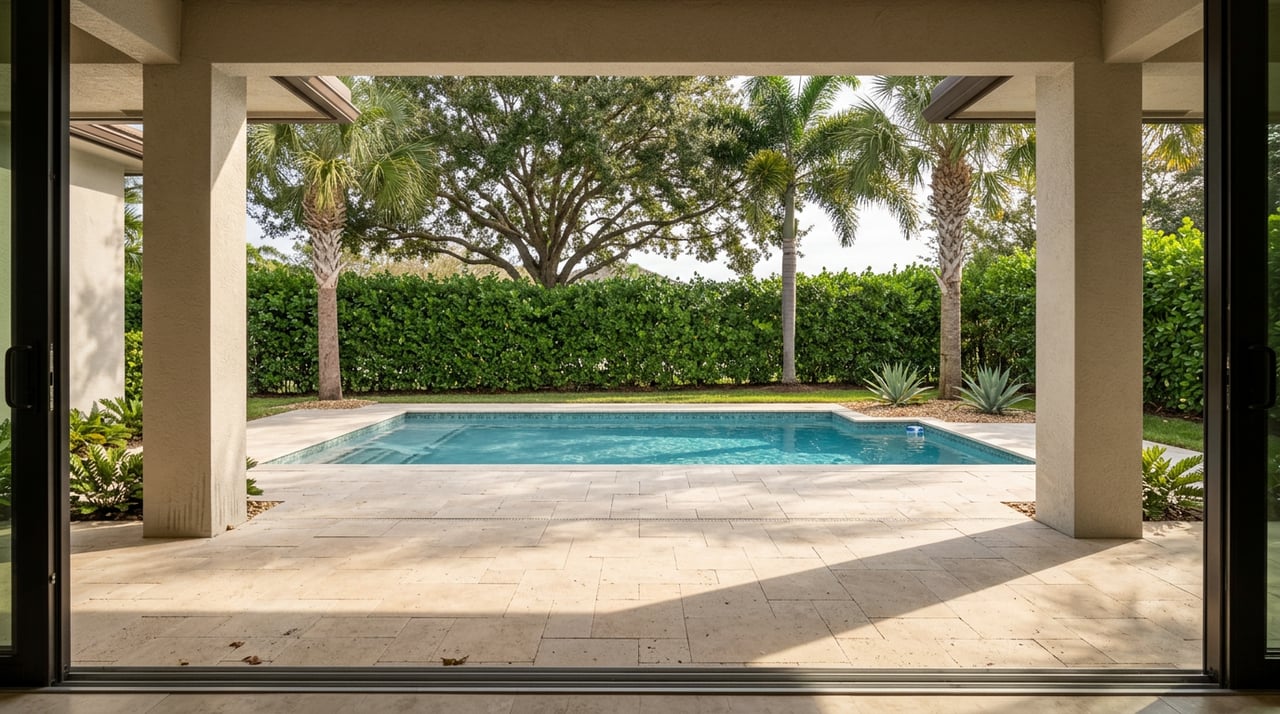
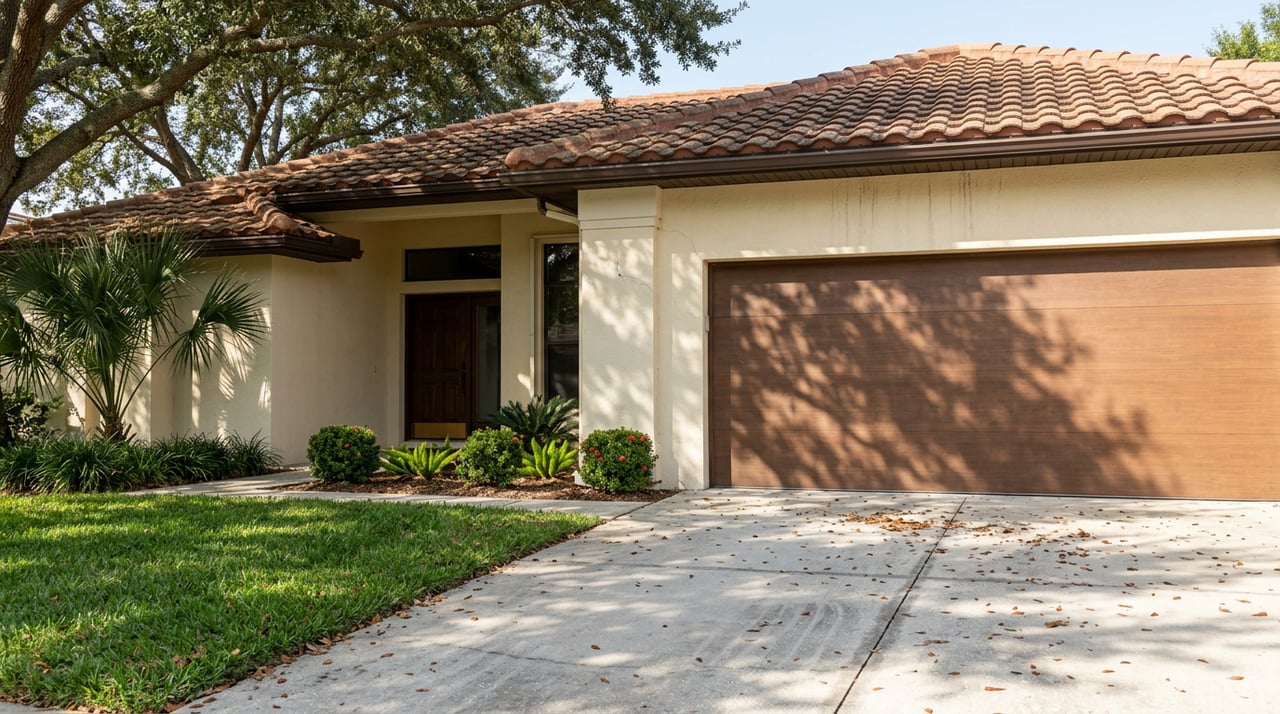
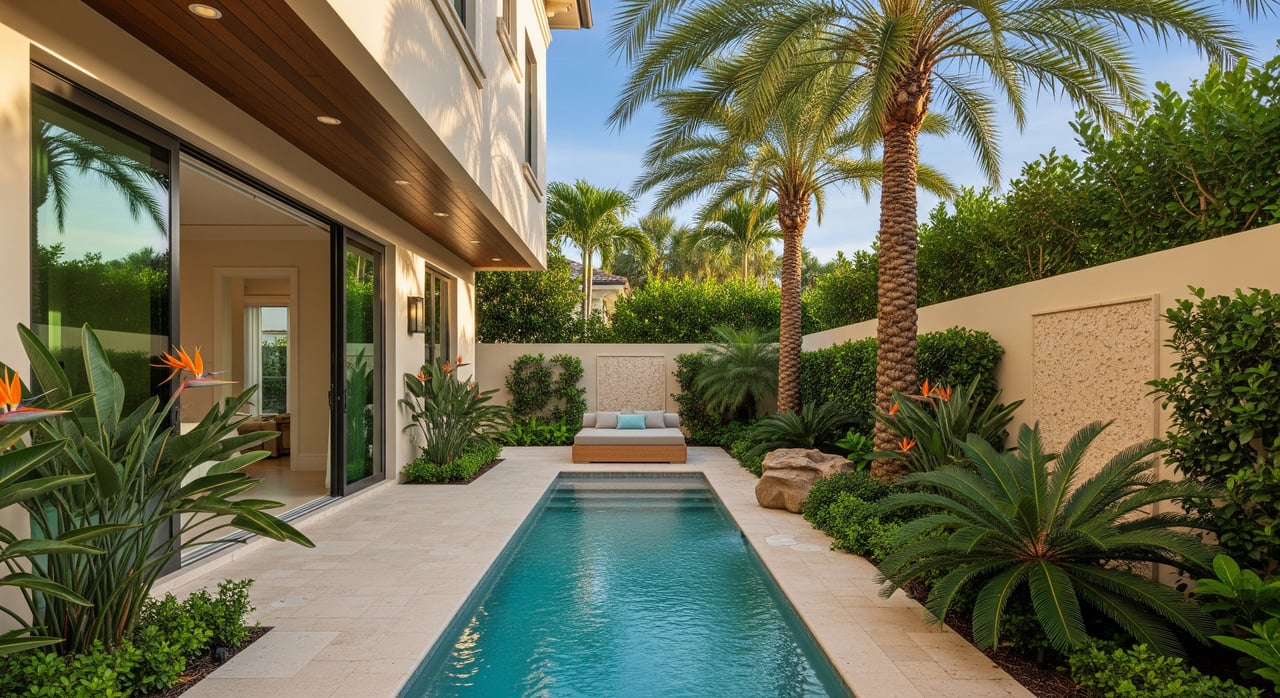
Because one side yard is minimized, driveways and garage entries are usually on the front or the non-zero side. Usable private space often shifts to the rear or opposite side. Plan outdoor living, pools, or patios with that layout in mind.
How rules shape your options
Zoning, setbacks, and plats
Zero-lot-line permissions depend on local zoning and recorded plats. In Wellington, you should confirm side-yard setbacks, lot coverage, and any variances on the actual survey and plat. Do not assume standard setbacks. The recorded documents and municipal approvals control what is allowed.
Easements and access
A recorded easement often grants access along the zero side for maintenance, utilities, and drainage. Easements may restrict windows or doors on that wall and may require coordination with a neighbor for service access. Always read the actual easement language before you buy.
Flood and wind considerations
Wellington sits in a region with flood exposure and hurricane risk. Elevation and stormwater design can affect insurance and permitting. The Florida Building Code sets wind-load and fire-resistance rules for walls close to a property line. These factors can impact insurance quotes and repair logistics after a storm.
What you gain and give up
Privacy
- Pros: Private space is often concentrated to the rear or non-zero side, which can feel secluded.
- Cons: Side-to-side privacy is limited, and windows on the zero side may be restricted, which can reduce natural light on that façade.
Maintenance
- Pros: Many zero-lot-line communities pair with HOAs that handle landscaping and some exterior items. That can lower your day-to-day workload.
- Cons: If maintenance is on you, tight side access can complicate siding, pest control, or equipment replacement. Even with HOA coverage, confirm the exact scope.
Outdoor space
- Pros: Efficient lot use can give you a more usable rear yard to optimize for a patio, pool, or garden.
- Cons: Moving large items into the yard can be harder, and fencing or landscaping near the zero side may be limited by easements.
Insurance and safety
- Fire separation and wall construction near a line must meet code.
- Flood and windstorm coverage can be significant in Palm Beach County. Always get quotes early and ask about any underwriting requirements tied to your lot layout.
Resale
- Pros: These homes can price competitively for the square footage and attract buyers who want a single-family feel with lower upkeep.
- Cons: Some buyers prefer wider side yards. Use comparable sales from similar zero-lot-line communities to price and evaluate value.
Due diligence for Wellington buyers
Documents to request
- ALTA or boundary survey and the recorded plat to confirm lot lines, setbacks, and easements.
- Title report plus copies of easements and any covenants that affect side-wall access and maintenance responsibilities.
- Full HOA package: CC&Rs, bylaws, budgets, reserve study, recent meeting minutes, and special assessment history.
- Seller disclosure about side access, drainage, and any prior claims or water issues.
- Permit and improvement history to confirm approvals and any variances.
- Elevation certificate and the property’s FEMA flood-zone status if applicable.
- Recent insurance quotes for homeowners and flood to compare premiums and coverage conditions.
- Local zoning notes and plat restrictions that could impact future changes nearby.
Inspections and professional checks
- Standard home inspection with focus on the zero side: wall construction, drainage, pest entry points, HVAC placement, and roof access.
- Contractor review for repair logistics where side access is tight.
- Wind-mitigation inspection to potentially reduce insurance costs.
- Title attorney review if easements or unusual covenants appear.
Is zero-lot-line a fit for you?
Good candidates
- First-time buyers who want single-family living with less yard work and are comfortable with HOA rules.
- Downsizers who value exterior maintenance support and simpler upkeep.
- Busy households who prefer efficient lots and a low-maintenance lifestyle.
Think twice if
- You want wide side yards or frequent side-yard access for large projects.
- You plan significant exterior changes that conflict with easement limits or HOA design rules.
- You need frequent side access for equipment or storage.
How we help in Wellington
Buying in a zero-lot-line community is about reading what is recorded, not just what you see from the street. We help you review surveys and plats, request the right HOA documents, and line up inspections and insurance quotes so you can decide with confidence. If you want clear, local guidance tailored to your goals, schedule a quick chat with Chris Latchmansingh.
FAQs
What is a zero-lot-line home in Wellington?
- It is a detached single-family home built at or very near one side property line, usually supported by recorded easements that guide access and maintenance.
How do HOAs affect zero-lot-line ownership?
- HOAs often manage landscaping and some exterior items and enforce design standards, but responsibilities vary, so review the community’s covenants and budget.
Can I add windows or doors on the zero side?
- Often no without permission or amendments; recorded easements and HOA rules commonly limit openings on the zero side.
Will a zero-lot-line layout affect my insurance?
- It can influence underwriting for fire, wind, and flood; always obtain homeowners and flood quotes early for realistic costs.
Can I build a pool or install a fence?
- Possibly, but you must respect setbacks, easements, and HOA approvals; confirm feasibility on the survey and with the association.
Who maintains the wall on the lot line?
- It depends on the easement language and HOA covenants; responsibility can fall on the owner, the neighbor, or the HOA. Verify in writing before closing.