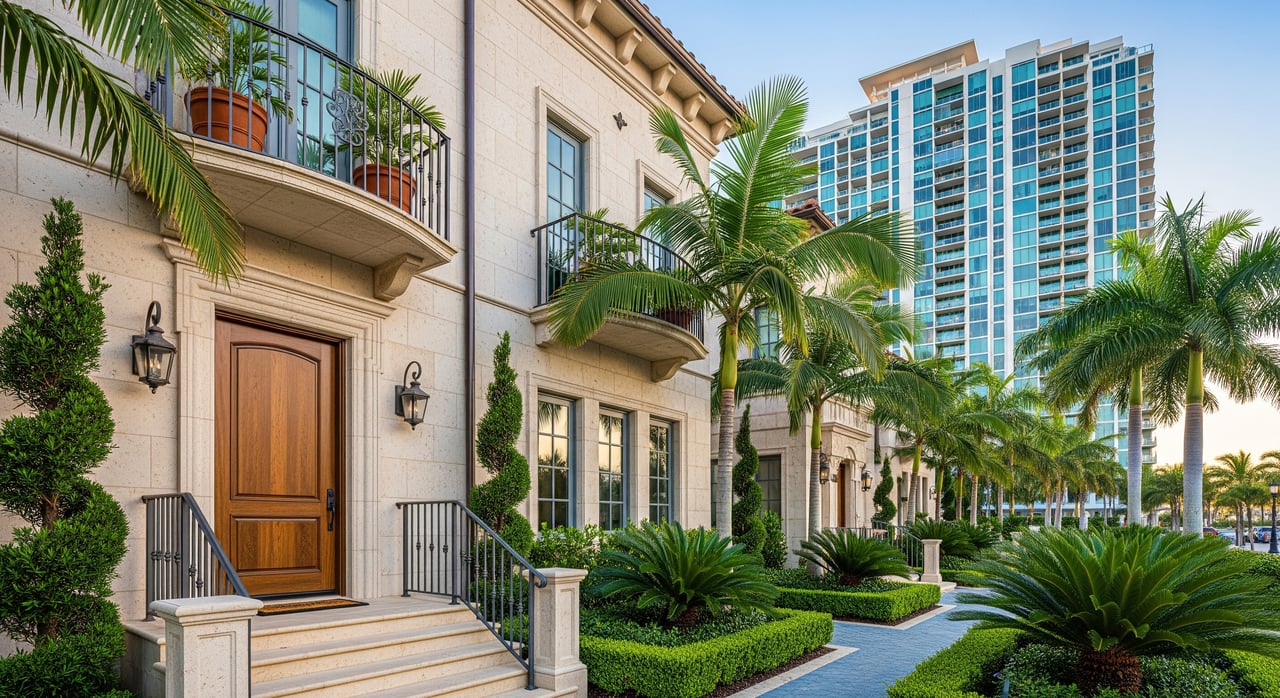
Not sure if a condo or townhome fits your life in West Palm Beach? You are not alone. Both offer great value, but the day-to-day experience, costs, and financing can be very different. In this guide, you will learn how ownership, maintenance, insurance, storage, and lending rules compare in our market so you can move forward with confidence. Let’s dive in.
Condo ownership in Florida
When you buy a condo, you usually own the interior of your unit and share ownership of the common elements like the roof, hallways, land, and amenities. Condos are governed by association documents and by Florida’s Condominium Act. You can review the law anytime through the state’s resource for Florida’s Condominium Act (Chapter 718).
The association is responsible for common areas and often buys a master insurance policy for the building. The Florida Department of Business and Professional Regulation oversees condo associations and offers helpful info for buyers. If you want to learn more about the regulatory framework, visit the DBPR’s association resources.
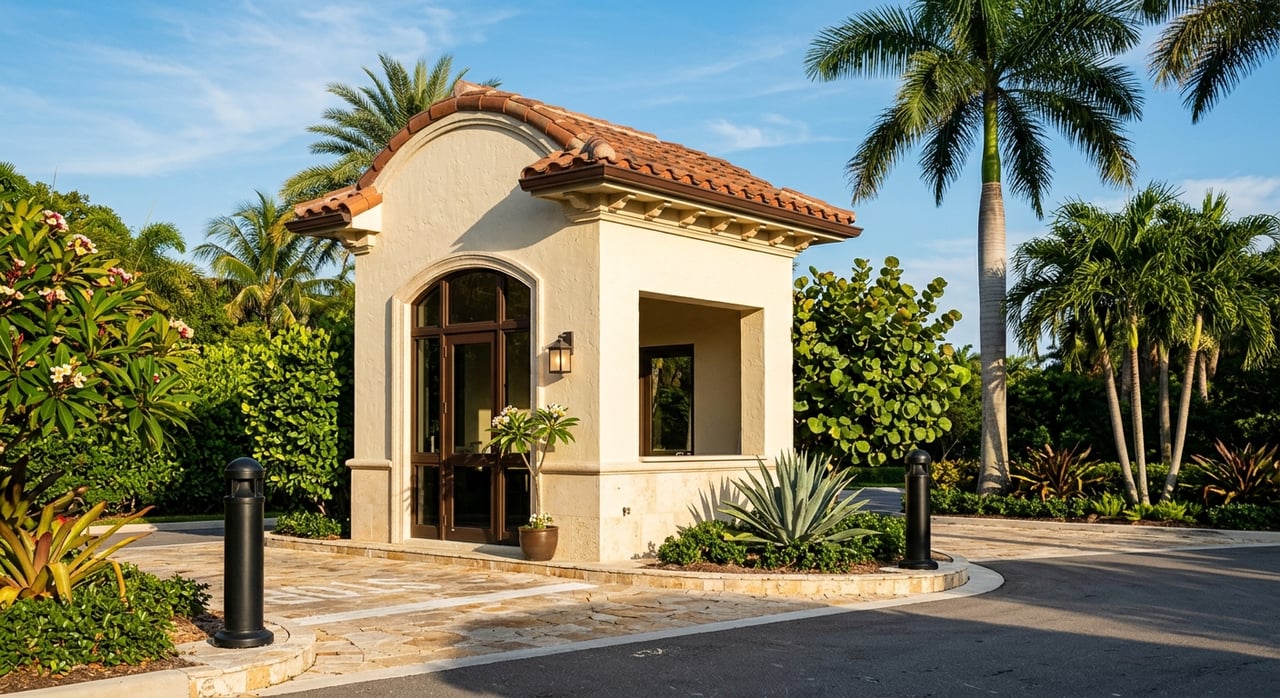
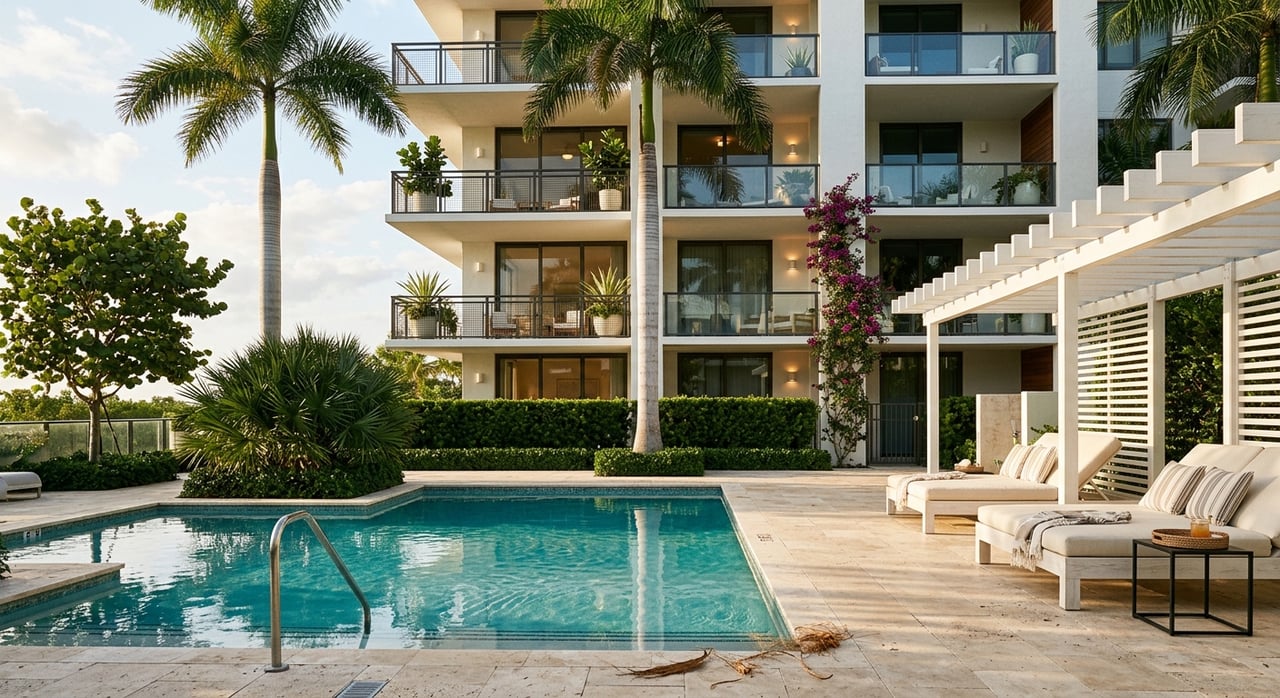
In West Palm Beach, condos are common in downtown and along the waterfront. You will see mid to high-rise buildings with elevators, pools, fitness rooms, and concierge-style services. This setup supports a walkable lifestyle, but it also concentrates more maintenance under the association.
Townhome ownership in Florida
Townhome ownership varies. Many townhomes are fee-simple, which means you own the structure and the land underneath. Others are legally set up as condominiums, even if the building looks like a row of townhouses. Rules and maintenance will depend on the legal form and the community’s governing documents.
If the townhome is fee-simple with an HOA, then Florida’s Homeowners’ Association laws apply. You can review the statute here: Florida’s Homeowners’ Association Law (Chapter 720). To confirm how a specific property is structured, check the deed and the community’s declaration. The Palm Beach County Property Appraiser site is a good place to look up parcel details.
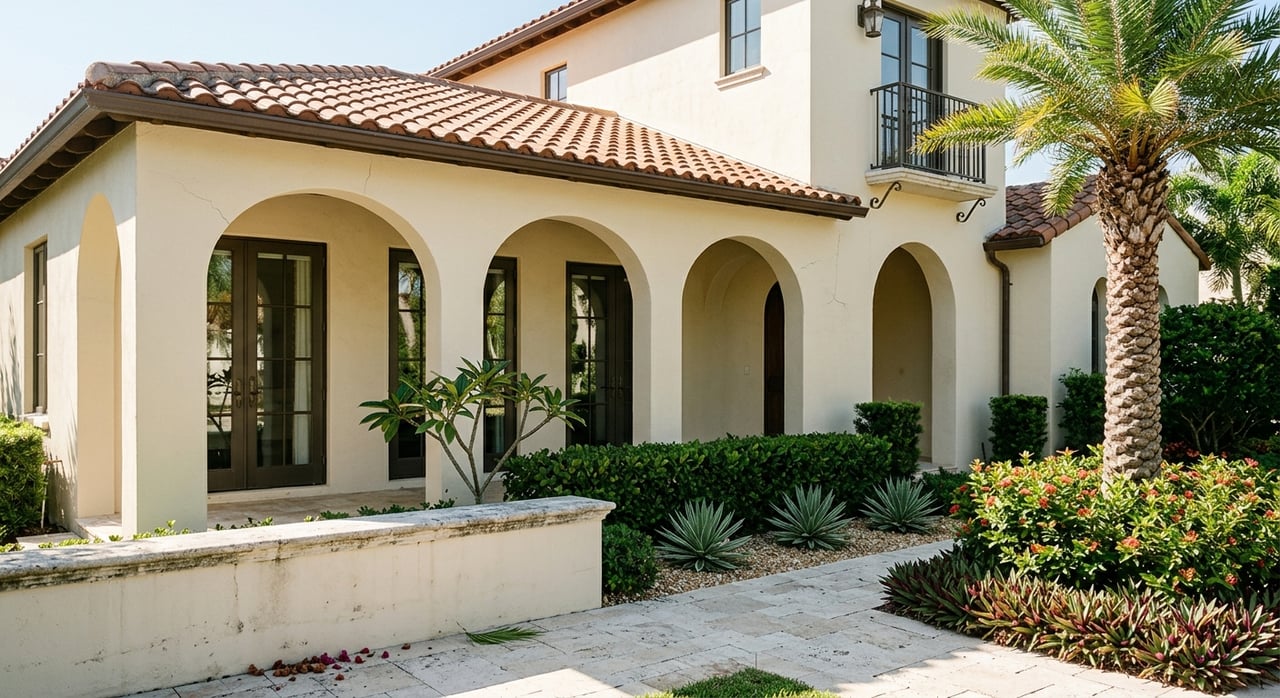
In the West Palm Beach area, townhomes often appear in suburban subdivisions and infill projects. Many offer a private entrance, a garage, and a small yard or patio. If you want a bit more space and control without the upkeep of a large lot, a townhome can be a strong middle ground.
Maintenance and monthly fees
Condo associations usually handle exterior maintenance, roofs, elevators, landscaping, pools, and building systems. Owners typically handle interiors. Exact responsibilities depend on the declaration, so it is important to read those documents before you commit. Fees tend to be higher in high-rise buildings with elevators and many amenities.
In fee-simple townhome communities, you often maintain your exterior, roof, and yard unless the HOA takes on specific items. HOA fees may be lower when there are fewer shared services. In townhouse condominiums, the association may cover exterior and structural items similar to a condo.
Across South Florida, buyers should pay close attention to reserves and major repairs. After the 2021 Surfside tragedy, building safety, reserve studies, and structural inspections received more scrutiny. Ask for recent budgets, reserve studies, and records of major repairs, and review meeting minutes for any signs of deferred maintenance or special assessments.
Insurance and climate risks
Most condo associations carry a master policy that covers the common elements and building exterior based on the declaration. As a condo owner, you typically purchase an HO-6 policy for your interior finishes, personal property, and loss assessments. Townhome owners may carry an HO-3 or HO-6 depending on whether they are responsible for the exterior and roof.
Flood and wind risks are part of life in Palm Beach County. Many properties in designated flood zones require flood insurance. You can check a property’s flood zone at the FEMA Flood Map Service Center and review the National Flood Insurance Program guidance to understand coverage options.
Age and design matter in our coastal climate. Older buildings may have different construction standards than newer ones and may need more ongoing capital work. Wind mitigation features like impact glass and reinforced roof attachments can affect premiums. For condos, review the association’s master policy limits and deductibles, and confirm whether the policy is set up to replace common elements.
Financing and approvals
Financing can be very different for condos and townhomes. Many loan programs look at the entire condominium project’s financial and legal health. Items like reserve funding, owner-occupancy ratios, and open litigation can affect loan eligibility.
Before you shop seriously, it helps to understand the rules for your loan type. You can review program standards at HUD’s condo project approval and Fannie Mae condo project eligibility. Some buildings will not qualify for certain loans, which can change your down payment or interest rate options.
Fee-simple townhomes usually finance like single-family homes and may face fewer project-level hurdles. If the townhome is legally a condo, then condo project rules still apply. The bottom line is simple: confirm project eligibility with your lender early.
Space, parking, and lifestyle
Storage is often tighter in condos. You may find storage lockers, but space is usually limited. Townhomes often include a garage, attic access, and more interior storage. If you have outdoor gear, tools, or seasonal items, a townhome may fit better.
Parking also differs. Many downtown condos offer assigned or paid garage parking with limited guest spaces. Townhomes typically include a private driveway or garage. Think about your daily routine, number of cars, and how often you host visitors.
Outdoor space is a key lifestyle driver. Condos lean toward balconies and shared courtyards. Townhomes more often provide a private patio or small yard. If you want room for a grill, a pet-friendly yard, or light gardening, a townhome often wins. If you value walkability, skyline or water views, and hotel-style amenities, a downtown condo can be a great match.
Local factors in West Palm Beach
Flood, storm surge, and heavy rains can affect areas across the county, not just the coast. Always check address-specific flood maps and ask for an elevation certificate if available. You can also explore city-level planning and permitting context at the City of West Palm Beach planning resources.
The area includes older mid-century buildings, 1980s to 2000s communities, and new infill construction. Newer buildings may cost more but can need fewer near-term capital projects. Older buildings can offer character and location advantages, but budget time to review engineering reports and association records.
Resale and marketability
Condo resale can be sensitive to association health. High investor ratios, low reserves, or open litigation can limit loan options and reduce the buyer pool. High monthly assessments can also make affordability tougher for some buyers.
Townhomes with a garage, extra storage, and outdoor space appeal to a broad set of buyers and may finance more easily if fee-simple. That said, convenience and walkability are powerful. Condos in prime downtown and waterfront locations often command higher prices per square foot, even if the units are smaller.
If you want to study broader trends, you can review regional reports from trusted industry sources such as Florida Realtors research. For specific pricing, rely on current MLS data and listing disclosures.
Which fits you best
- Choose a condo if you want walkability, building amenities, and less hands-on exterior upkeep.
- Choose a townhome if you need a garage, more storage, and a private patio or yard with a single-family feel.
- If budget predictability matters, compare association budgets, reserves, and insurance carefully for each option.
Quick buyer checklist
Before you make an offer, request these documents:
- Current budget, reserve study, and last two years of financial statements
- Minutes from the last 12 to 24 months of association meetings
- Declaration, bylaws, and rules and regulations
- Master insurance certificate with coverage limits and deductibles
- Assessment schedule and any special assessments in the past five years
- Litigation disclosures and delinquency information
- Rental and occupancy restrictions
Ask these questions of the listing agent or association manager:
- Who maintains the exterior, roof, driveways, and landscaping?
- Are capital projects planned? How will they be funded and on what timeline?
- What is the delinquency rate on dues?
- Are special assessments pending or proposed?
- What are the leasing rules, and do short-term rentals have restrictions?
- How is parking assigned and enforced for owners and guests?
- What are the pet policies and limitations?
Complete your due diligence on financing and insurance:
- Confirm whether the project is eligible for FHA, VA, or conventional loans
- Get quotes for HO-6 or HO-3, plus flood insurance if applicable
- Check the property’s flood zone at the FEMA Flood Map Service Center
- Verify the property’s legal structure through the Palm Beach County Property Appraiser
Next steps
Choosing between a condo and a townhome comes down to lifestyle, monthly costs, and long-term risk. If you compare ownership structure, association health, insurance, and financing early, you can focus on homes that truly fit your life.
If you would like local guidance from a responsive, owner-led brokerage, we are here to help. Reach out to Chris Latchmansingh to talk through your goals, review documents, and plan your next move. Schedule a free consultation.
FAQs
What is the legal difference between condos and townhomes in West Palm Beach?
- Condos typically involve owning the unit interior plus shared common elements under Florida’s Condominium Act, while townhomes may be fee-simple or legally structured as condos, so always verify the declaration and deed.
What do condo fees usually cover in West Palm Beach buildings?
- Many condos include exterior maintenance, roof, common-area landscaping, elevators, pool, and reserves, plus some utilities, but coverage varies by declaration and budget, so review the association documents and recent minutes.
How do I check flood risk for a property in Palm Beach County?
- Look up the address on the FEMA Flood Map Service Center and discuss flood insurance options using National Flood Insurance Program guidance.
How does financing differ for condos versus fee-simple townhomes in West Palm Beach?
- Condos must meet project-approval standards for many loan programs, which you can explore at HUD’s condo project approval and Fannie Mae condo project eligibility; fee-simple townhomes often finance like single-family homes.
How can I confirm if a West Palm Beach townhome is fee-simple or a condo form?
- Check the recorded declaration and the property’s parcel details using the Palm Beach County Property Appraiser site, and review the deed for ownership type.
What local factors should I review before buying a downtown West Palm Beach condo?
- Review recent structural or engineering reports, association reserves and budgets, and city planning context using City of West Palm Beach planning resources, plus insurance and flood considerations for the specific address.