What if your daily routine shifted every winter, not because of weather, but because thousands of horses and visitors arrived in your backyard? If you live in or are moving to Wellington, that is real life. The winter equestrian season shapes traffic, rentals, and even when buyers tour homes. In this guide, you’ll learn what to expect, where it’s felt, and how to make the season work for you. Let’s dive in.
What “season” means in Wellington
Wellington’s identity centers on two adjacent winter circuits that draw global talent and fans. The Winter Equestrian Festival (WEF) runs at Wellington International, and the Adequan Global Dressage Festival (AGDF) takes place at Equestrian Village. Both venues publish schedules and visitor details you can use to plan your week. You can explore the WEF calendar on the official event schedule page and the AGDF calendar on the Global Dressage Festival schedule.
When it happens and weekly rhythm
The main circuit runs about 12–13 weeks each winter, typically late December or early January through late March. For example, published 2026 dates run December 31, 2025 through March 29, 2026, with weekly competition blocks and marquee Saturday nights. You can confirm the season window on the WEF 2026 overview. Expect daytime competitions midweek through Sunday and popular evening sessions on Saturdays.
Where the action is
Activity concentrates around two sites and their feeder roads: Wellington International at 3400 Equestrian Club Drive and Equestrian Village at 13500 S Shore Blvd. The venues page shows spectator and competitor entrances, which helps you anticipate traffic and plan routes.
How traffic and parking change
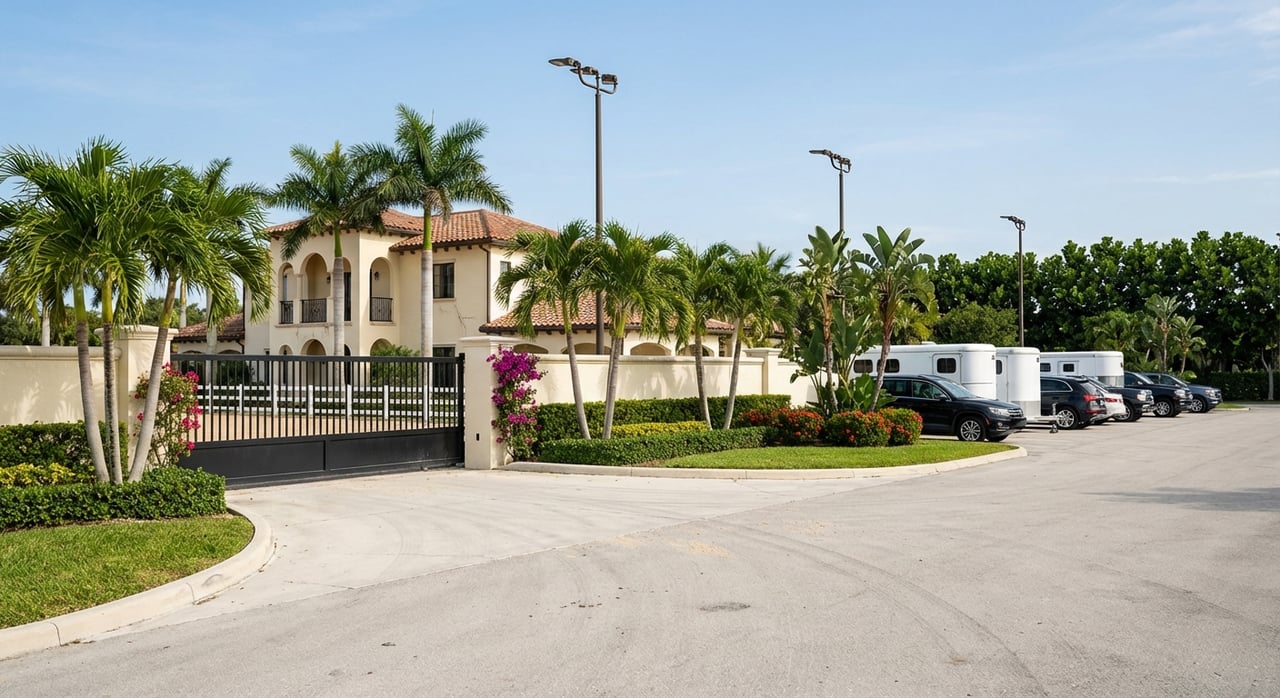
Season brings more vehicles, larger trucks, and horse trailers in a few predictable corridors. South Shore Blvd, Pierson Road, Lake Worth Road, and nearby feeders carry most of the load to and from both showgrounds. If you live or commute near these roads, you will notice higher volumes on show days.
Predictable peaks you can plan around
Crowds build late morning and again late afternoon into evening, especially on Saturdays. Ingress and egress are concentrated because parking and shuttles funnel people to set gates and times. If you are running errands, aim for weekday mornings or non-show days. The official WEF event schedule helps you avoid the tightest windows.
Ongoing road and intersection work
Intersection upgrades and lane work near the showgrounds are designed to improve traffic, though temporary closures can add delays. You can track active improvements around Pierson Road and South Shore on the developer’s project updates. Give yourself a few extra minutes if a lane shift or overnight work is posted.
The local economy during season
Visitor spending by the numbers
Independent studies prepared for the Palm Beach County Sports Commission and released by Wellington International point to major economic effects. In 2024, WEF was reported at $403.6 million in total impact for the county. Follow-up press materials in 2025 cited even higher figures in the $536 million range. You can review the public summary on Wellington International’s 2024 economic impact release and the county’s 2023 coverage on the Palm Beach County Sports Commission site.
These reports also cite large paid room nights and job support totals. In practical terms, hotels, restaurants, retailers, and equine service providers plan staffing and inventory around this steady winter demand.
Who benefits locally
Hospitality and dining see full calendars. Retailers and onsite vendors treat January through March as a prime sales window. Equine trades like veterinarians, farriers, and transport companies also experience sustained demand. If you operate a local business, consider whether seasonal vendor placement makes sense via the show’s vendor program.
Rentals and housing: what changes in season
Short-term demand patterns
Season concentrates multi-week stays for riders, grooms, teams, and visitors. Studies report six-figure totals for paid room nights and long average stays for nonresident participants, which is why short-term rentals and extended-stay options tighten up. Expect stronger demand and seasonal pricing from January through March, especially within an easy drive of the showgrounds.
If you plan to rent your home: rules to know
Wellington requires a Vacation Rental Special Use Permit for each unit plus an annual Business Tax Receipt. The village outlines application steps, fees, occupancy limits, one-vehicle-per-bedroom parking rules, and enforcement on its Vacation Rentals page. If you are a host, follow these rules closely to avoid complaints or fines and post clear house rules for guests.
Tips for buyers and sellers
Buyer interest is steady year-round, but season can bring more qualified eyes to Wellington. If you plan to list, timing your launch with an active show week can increase exposure to out-of-town prospects. If you are buying, understanding traffic rhythms and neighborhood proximity to the showgrounds helps you evaluate daily convenience.
At On Call Realty, we help you weigh timing, pricing, and marketing for season and off-season. We also offer leasing and property management if you plan to host seasonal renters.
Everyday life: simple ways to keep your day smooth
- Check the published WEF schedule before long errands or commutes. Aim for weekday mornings when possible.
- Expect more delivery trucks and horse trailers near barns and staging areas. If you schedule large deliveries, avoid peak gate times.
- Drive with care near bridle paths and equestrian crossings, especially around South Shore and Pierson.
- If you attend an evening event, consider off-site parking with shuttles. This can be easier than navigating close-in lots. Local operators summarize options on this spectator parking and shuttle guide.
- For visiting friends and family, share the venues map and addresses so they can choose the best approach and arrival time.
Should you live near the action?
Living close to the showgrounds places you near amenities, dining, and entertainment during winter. It also means you will notice more traffic and occasional evening lighting on event days. If you prefer quieter streets during peak weeks, consider a home slightly farther from South Shore, Pierson, and Lake Worth Road. Tour at different times of day to see the area as you would use it.
Thinking about a move, a sale, or a seasonal rental strategy around Wellington? Let’s talk timing, pricing, and a plan that fits your goals. Reach out to Chris Latchmansingh to get started.
FAQs
How long is Wellington’s winter equestrian season?
- The main circuit runs about 12–13 weeks, typically late December or early January through late March. You can check example dates on the WEF 2026 overview.
Where are the showgrounds, and which roads get busy?
- WEF is at Wellington International, and AGDF is at Equestrian Village. South Shore Blvd, Pierson Road, and Lake Worth Road see the heaviest flows. See the venues and entrances to plan routes.
Will traffic be a daily problem for commuters?
- Not everywhere and not all day. Pressure peaks late morning and late afternoon or evening on show days, with Saturdays busier. Use the official schedule to plan around the tightest windows.
Can I rent my home during season, and what permits do I need?
- Yes. Wellington requires a Vacation Rental Special Use Permit for each unit and an annual Business Tax Receipt. The village lists steps and rules on its Vacation Rentals page.
Do local businesses benefit from equestrian season?
- Yes. Economic studies show very large visitor spending, job support, and paid room nights during the winter circuit. Review the county’s coverage on the Palm Beach County Sports Commission site.
What should first-time spectators know about parking and shuttles?
- Evening events often have paid parking and off-site lots with shuttle service. Check a local summary of options on this parking and shuttle guide.