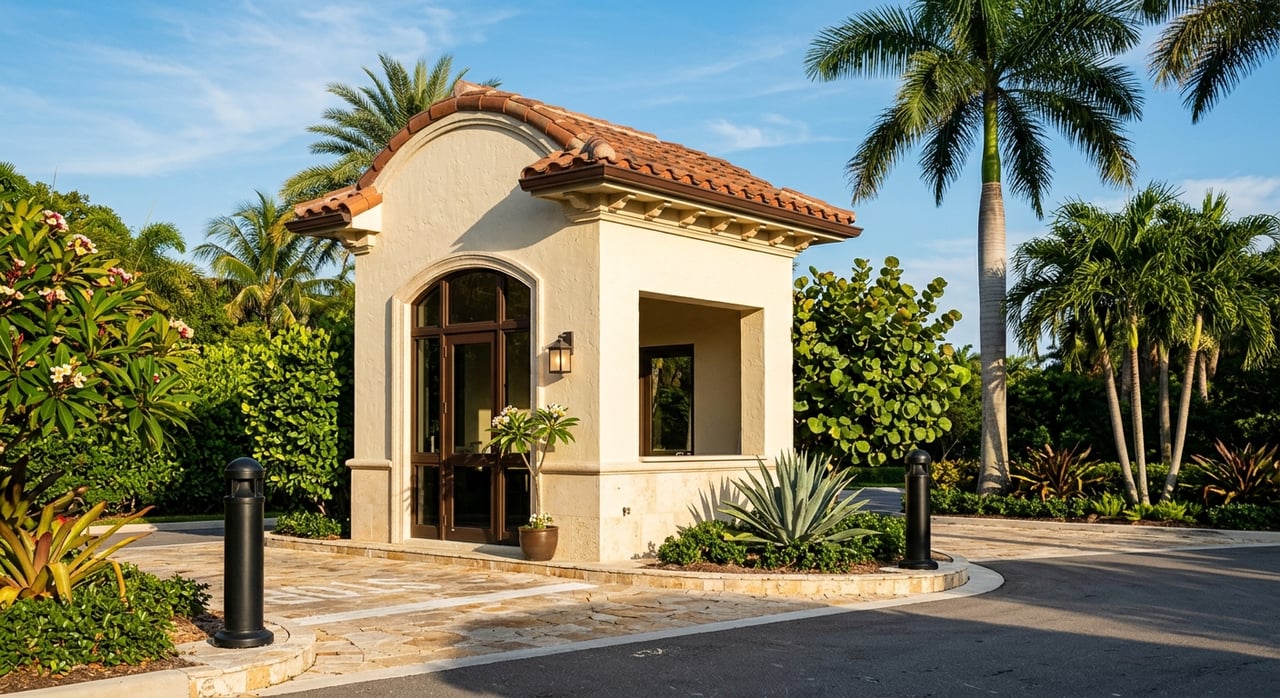
If you are selling in one of Wellington’s gated communities, you are not just listing a house. You are also presenting access, amenities, association rules, and a very specific way of living that buyers want to understand before they make an offer. The good news is that with the right prep, you can reduce surprises, market the property more effectively, and keep your sale moving. Let’s dive in.
Why Wellington gated homes sell differently
Wellington has a distinct identity in Palm Beach County. The Village of Wellington describes the area as a premier South Florida community known for parks, neighborhoods, schools, and equestrian interests, and it notes that the Equestrian Preserve Area includes Wellington International, the National Polo Center, bridle trails, and equestrian facilities.
That matters when you sell. In many gated communities, buyers are evaluating more than square footage and finishes. They are also looking at neighborhood access, recreational features, trail systems, lakes, preserve areas, and how the community fits their daily routine.
This buyer mindset lines up with broader market behavior. According to the National Association of Realtors 2024 buyer survey, many buyers weigh neighborhood quality, access to parks and recreation, and planned-community living when choosing where to buy. In Wellington, those factors often play a visible role in how a listing is priced, marketed, and shown.
Start with association documents
One of the biggest mistakes sellers make is waiting too long to gather association paperwork. In a gated community, those documents are not an afterthought. They can affect buyer confidence, contract timing, and even whether a buyer can cancel.
If your home is in an HOA, Florida law requires that a prospective buyer receive a disclosure summary before the contract is signed. If the summary is not provided first, the buyer can void the contract within 3 days after receiving it or before closing, whichever comes first.
If your property is a condominium resale, the document path is different. Florida law requires the seller to provide current copies of the declaration, articles, bylaws and rules, annual financial statement and budget, FAQ document, and in some cases additional inspection or reserve-related records. That condo resale process comes with a separate 7-day voidability right tied to delivery of those documents.
Documents to request early
A practical starting list includes:
- HOA disclosure summary, if your property is in an HOA
- Condo resale package, if your property is a condominium
- Governing documents, including rules and regulations
- Current budget and financial statement
- Estoppel certificate
- Records for any approved exterior changes or modifications
Getting these items early gives you time to spot issues before a buyer does. It also helps your agent answer buyer questions quickly and keep the transaction organized.
Understand the estoppel certificate
If you have never sold in an HOA before, the estoppel certificate is one of the most important closing documents to know. In Florida, the association must issue an estoppel certificate within 10 business days of a request.
That certificate is designed to confirm key association details tied to your property. It must disclose the assessment balance, special assessments, transfer or resale fees, open violations, transfer approval requirements, any right of first refusal, and contact information for other associations connected to the parcel.
Why estoppel details matter
These details can affect both timing and net proceeds. If a buyer learns late in the process that there are unpaid charges, an unresolved violation, or another approval layer, it can create stress and delay closing.
Florida law also caps the standard HOA estoppel fee at $250 when there is no delinquency, with different amounts allowed only in certain expedited or delinquent situations. Hand-delivered or electronic estoppels are effective for 30 days, while mailed estoppels are effective for 35 days, so timing matters.
Check for exterior approval issues
Before your home hits the market, it is smart to confirm that any exterior changes were properly approved if your community requires approval. This can include items like paint changes, fences, landscaping features, screens, or other visible improvements.
Florida law allows HOA architectural-control authority over exterior improvements to the extent that authority appears in the declaration or published guidelines. If an association denies an application, it must provide specific written notice.
For sellers, the takeaway is simple. If there is a question about whether a change was approved, resolve it as early as possible. It is much easier to deal with before you are under contract.
Plan showings around gate access
In Wellington’s gated communities, access rules can be highly specific. That means your showing plan should match your neighborhood’s actual procedures, not a generic open-house approach.
For example, Palm Beach Polo & Country Club uses guest registration procedures that include voice authorization or gate calls, resident PIN-based access, and date-specific guest authorization. Its published gate guidance also notes busy windows from 8 to 10 a.m. and 4 to 6 p.m.
VillageWalk of Wellington also has community-specific systems, including gate access and guest passes, barcode registration, parking rules, sale and lease applications, and contact updates through the gatehouse and homeowner portal. These examples show how much showing logistics can vary from one community to another.
Showing prep checklist
Before listing, confirm:
- How guests are registered at the gate
- Whether showing agents need advance authorization
- Whether open houses are allowed or limited
- Whether parking rules affect showings
- Whether tenants, lessees, or occupants need separate paperwork
- Whether gate traffic peaks could disrupt appointments
Smooth access sends a good message to buyers. Confusing entry instructions can do the opposite.
Market the lifestyle, not just the floor plan
In Wellington, gated-community marketing works best when it reflects how the property lives day to day. Buyers may care about the home itself, but they are also paying attention to trails, water views, preserve areas, recreational amenities, and equestrian proximity when those features apply.
The Village of Wellington lists amenities such as equestrian trails, an aquatics center, a tennis center, a dog park, nature preserves, and neighborhood parks. In some communities, those broader local features support the listing story by helping buyers picture how they would use the area.
In equestrian-adjacent or preserve-area locations, that story can become even more specific. Wellington says the Equestrian Preserve Area includes Wellington International, the National Polo Center, and public and private bridle trails, along with equestrian farms and facilities.
What to highlight in your marketing
Depending on the property, useful selling points may include:
- Gate security and controlled entry procedures
- Trail access or nearby recreational features
- Lakes, waterways, or preserve views
- Community walking or biking routes
- Proximity to equestrian venues and facilities
- Community amenities that are available to residents under association rules
The key is balance. Amenities can help your home stand out, but buyers also need clear information about HOA costs, rules, and any fees tied to recreational or commonly used facilities.
Price with the full package in mind
Pricing a home in a gated community is not just about recent sales and interior updates. It also involves the total ownership picture, including association structure, amenities, restrictions, and the overall buyer experience.
That does not mean amenities automatically create a higher price. The more accurate view is that strong neighborhood features can improve buyer interest and help your listing stand out when they match what buyers already value, such as neighborhood quality, recreation access, and planned-community living.
In other words, the community can strengthen your market position, but it should be presented carefully and factually. A smart pricing strategy weighs the home, the association, the location within Wellington, and the lifestyle benefits buyers can clearly see.
Watch for multiple association layers
Some Wellington properties may be part of more than one association. You could have a neighborhood association plus a master association, or another layer tied to the parcel.
This is one reason the estoppel process matters so much. The statutory form requires contact information for other associations of which the parcel is a member, which is a strong reason to verify all association layers early in the listing process.
If you wait until closing prep to uncover a second set of fees, approvals, or documents, you may lose valuable time. Early verification helps keep expectations realistic for both you and your buyer.
A smoother sale starts before listing day
Selling a home in Wellington’s gated communities often comes down to preparation. When you gather documents early, confirm gate procedures, resolve exterior approval questions, and market the community lifestyle clearly, you create a better experience for buyers and a more predictable path to closing.
That kind of hands-on prep is where local guidance matters. If you want clear, practical help with pricing, paperwork, and marketing for your Wellington gated-community home, schedule a free consultation with Chris Latchmansingh.
FAQs
What documents do I need to sell a home in a Wellington gated community?
- You will usually want the HOA disclosure summary or condo resale package first, followed by the estoppel certificate, governing documents, current budget and financials, rules, and any approval records for exterior changes.
What is the Florida HOA disclosure summary for a Wellington home sale?
- For HOA properties, Florida law requires a prospective buyer to receive a disclosure summary before the contract is signed, and if it is not provided first, the buyer may void the contract within 3 days after receiving it or before closing.
What is the estoppel certificate when selling in a Wellington HOA?
- The estoppel certificate is an association document that confirms items such as assessment balances, special assessments, transfer or resale fees, open violations, approval requirements, and other association details tied to the property.
How much can a Wellington HOA charge for an estoppel certificate?
- Under Florida law, the standard HOA estoppel fee is capped at $250 when there is no delinquency, with higher amounts allowed only in certain expedited or delinquent situations listed in the statute.
How do showings work in Wellington gated communities?
- Showings depend on the community’s own access rules, which may include guest registration, PIN-based entry, gate calls, barcode systems, parking rules, or separate paperwork for certain occupants.
Do amenities help sell a home in Wellington’s gated communities?
- Amenities can help attract buyer interest when they match what buyers value, such as recreation access, planned-community living, and neighborhood features, but they should be presented alongside HOA costs and usage rules.
What if my Wellington property belongs to more than one association?
- You should verify all association layers early, because a property may be tied to a neighborhood association, a master association, or another association that affects fees, documents, approvals, or closing steps.