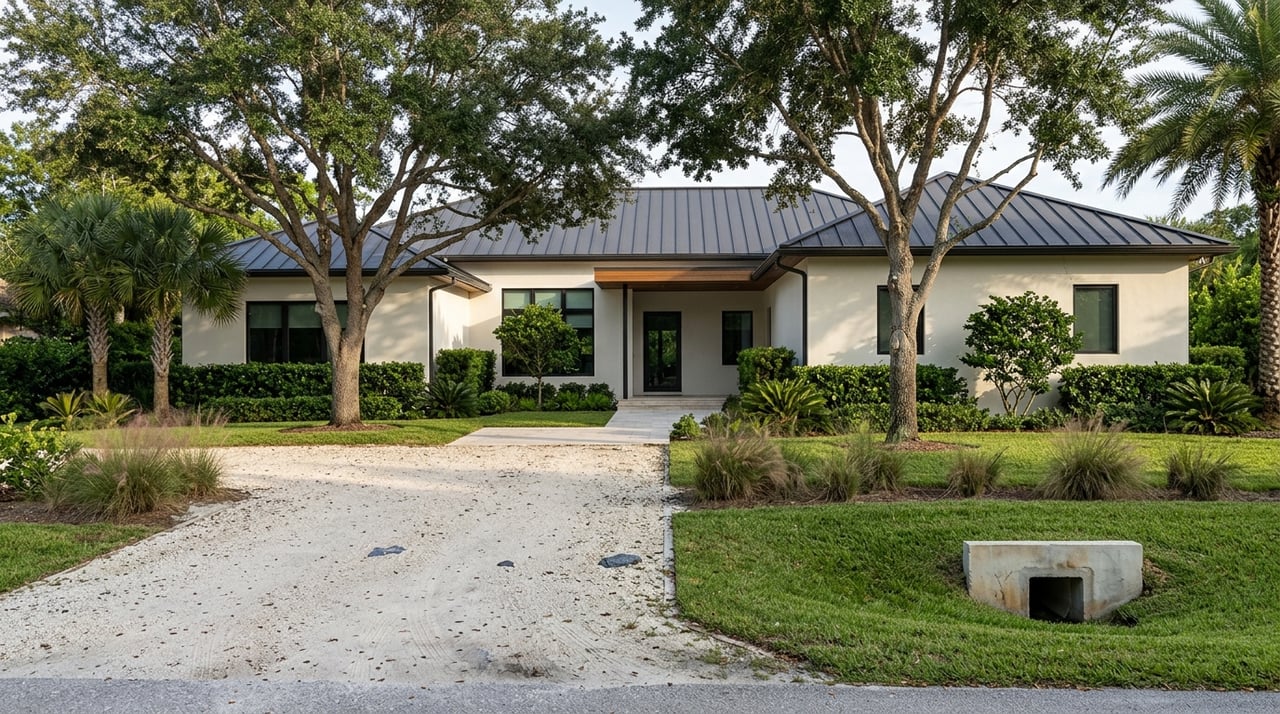
Buying in The Acreage can be very different from buying in a typical neighborhood. You are not just evaluating bedrooms, finishes, and roof age. You are also evaluating the land, the road, drainage, utilities, and how the property functions after a heavy South Florida rain. If you want to avoid surprises, a little extra due diligence up front can go a long way. Let’s dive in.
Why The Acreage Requires Extra Due Diligence
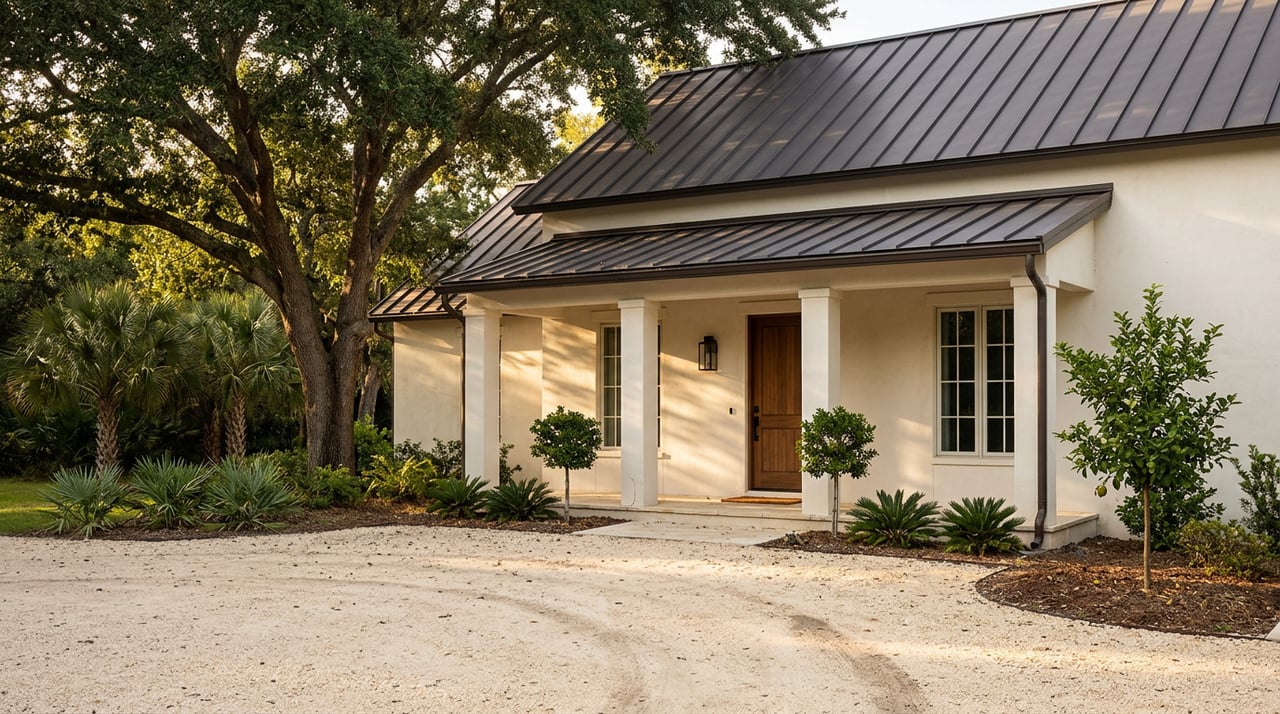
The Acreage is part of Palm Beach County’s Exurban Tier and falls within the Acreage Neighborhood Plan area and the Indian Trail Improvement District, often called ITID. County planning materials describe the area as older residential subdivisions with a sparse development pattern, large heavily treed lots, and small agricultural and equestrian uses. The lot pattern generally ranges from just over 1 acre to 2.5 acres, with about 1.25 acres being the predominant lot size.
That matters because a purchase here is often as much about the site as it is about the home. ITID maintains canals, roads, drainage works, and utility authority within its boundaries. In practical terms, that means your buyer checklist should include the condition of the land, the access point, and the drainage setup, not just the house itself.
Check the Parcel and Access First
Before you rely on a listing description, confirm the exact parcel, plat, and any easements that affect the property. In The Acreage, road ownership and maintenance can vary from one street to the next. Palm Beach County notes that public streets are legally created by plats and are maintained by county or state government, while private streets are maintained by the owners.
This is one reason a current survey matters so much. A survey can help you compare the legal boundaries to what you see on the ground. It can also help you spot roadway limits, easements, and any access issues before you get too far into the transaction.
Review Road Surface and Maintenance
Road surface is a real part of due diligence in The Acreage. The neighborhood plan supports preserving the rural, agricultural-residential feel, including unpaved side-access streets. ITID also states that it grades roads, maintains swales and canals, and handles paving and stabilization projects.
If the home is on an unpaved road, ask practical questions during your showing. Find out how the road is maintained, how often grading typically occurs, and what conditions look like after heavy rain. ITID says it uses five graders and that it may take about two weeks to grade every road in the district, so road condition can vary depending on timing.
Confirm Driveway and Culvert Status
Driveways and culverts are not minor details here. They affect access to the property and the way stormwater moves through the area. ITID says all driveways must be permitted through the district and inspected when installed, and residents are responsible for maintaining driveways and culverts so drainage stays open.
You should also confirm who controls the road frontage. Palm Beach County notes that driveway permits for county-owned roads are issued by the owner of the roadway. That means the permit path can depend on which agency controls the frontage, so it is smart to verify this early.
Verify Utilities for the Exact Property
One of the first questions to ask is whether the parcel is served by public utilities. Palm Beach County Water Utilities serves many residents in central and south-central unincorporated Palm Beach County and the western communities, but service-area boundaries are parcel-specific. Buyers should confirm whether the exact property is inside or outside a public utility service area.
If the home is not connected to public service, it may rely on a private well and septic system. The Florida Department of Health in Palm Beach County says western Palm Beach County development commonly uses private drinking-water wells and septic tanks. That setup is common, but it should never be treated as a small detail.
Ask for Well and Septic Records
If a property uses a private well, ask when it was last tested. The Florida Department of Health says private well owners should test for bacteria and nitrate at least once a year and recommends lead testing every three years. The same source also notes that Florida does not require private-home well sampling when a house is sold.
That is important for buyers because a lack of required testing at sale does not mean testing is unnecessary. Ask for available maintenance records, test results, and any septic-related documents. If records are limited, that is a signal to slow down and investigate further during your inspection period.
Treat Drainage as a Major Buyer Check
Drainage is one of the most important property-specific issues in The Acreage. ITID says swales help convey water to canals and are part of the area’s stormwater storage capacity. It also says swales may take several days to weeks to drain, depending on conditions.
This means standing water right after a storm does not always tell the full story. What matters is how the lot is designed to move water, whether the swales and culverts remain open, and whether anything on the property appears to block normal drainage.
Look Closely at Swales and Water Flow
When you visit a property, ask how water moves across the lot after heavy rain. Ask where the swale drains, whether any culverts have clogged in the past, and whether the property fronts a canal or drainage easement. These are normal questions in The Acreage, not overreactions.
ITID also warns that residents should not fill swales with dirt, block driveway culverts, or place obstructions in swale easements. If you see signs of added fill, altered grading, or blocked drainage features, that deserves closer review before you buy.
Always Review Flood Information
Flood review should be a standard step for any buyer in this area. Palm Beach County states that all residents live in a flood zone. Its Building Division also says flood information should always be confirmed before purchase or construction through an official flood-zone determination by a Florida licensed engineer, architect, or surveyor.
That guidance is especially relevant in The Acreage, where drainage systems, canals, swales, and lot elevations all play a role in how water behaves. You should never assume a property’s flood-related risk based only on a map snapshot or a seller’s informal comments.
Ask About Elevation and Flood Records
Palm Beach County’s emergency management information for unincorporated areas says buyers can seek help identifying special flood-hazard areas and checking whether an elevation certificate is on file. If a property has one, that can be useful context as you evaluate the site.
This does not replace professional review, but it can help you ask better questions. If flood information is unclear, it is worth getting clarity before you commit.
Expand the Inspection Beyond the House
Florida law defines a home inspection as a limited visual examination of major systems and components, including the structure, electrical, HVAC, roof, plumbing, interior, exterior, and site conditions that affect the structure. In The Acreage, that baseline is a starting point, not the full picture.
You should also pay close attention to well equipment, septic condition, swales, culverts, canal or drainage easements, and any signs that grading or fill may have changed how water moves across the lot. These are often the items that separate a smooth ownership experience from an expensive surprise.
Compare the Survey to Real Conditions
Bring a copy of the survey or plat to your showing or inspection if possible. Compare the drawing to the actual property layout so you can see where easements, setbacks, and roadway limits sit in real life. This simple step can reveal a lot.
It can also help you flag issues with fences, sheds, gates, or additions that appear close to boundaries or utility areas. For acreage properties, these details matter more than many buyers expect.
Check Permit History and Code Status
Before closing, run an open-permit and code-compliance search. Palm Beach County says its Planning, Zoning and Building Department provides certified searches for open permits, fines or liens, and open code violations in unincorporated Palm Beach County.
This matters because acreage properties often include more than the main home. You may see barns, workshops, sheds, fencing, patios, pads, reroofing work, or older additions. If any of that work was done without the proper permits, it can become your problem after closing.
Improvements That Often Need Permits
County guidance says permits are required for many common improvements, including:
- Sheds
- Gazebos
- Fences
- Reroofing
- Room additions
- Slabs
- Work involving gas, electrical, plumbing, or mechanical systems
If you see any added structures or site improvements, ask whether permits were pulled and closed. A quick records review can help you avoid inheriting unfinished permit issues or open code problems.
A Smart Acreage Buyer Checklist
If you want a practical way to approach a purchase in The Acreage, focus on these key checks:
- Confirm the exact parcel, plat, and easements
- Review the current survey against site conditions
- Verify whether the road is public or private
- Ask who maintains the road frontage
- Confirm driveway and culvert permit status
- Verify public utility service or private well and septic setup
- Request available well test and septic records
- Ask how the lot drains after heavy rain
- Review canal frontage, swales, and drainage easements
- Confirm flood-zone information through the proper channels
- Search for open permits, code issues, fines, or liens
These steps may feel more detailed than a standard home purchase, but that is exactly the point. In The Acreage, the extra work is often what protects you.
Why Local Guidance Matters
Buying a property in The Acreage is rarely a copy-and-paste transaction. Each lot can have a different mix of access, road conditions, drainage characteristics, utility setup, and improvement history. That is why local knowledge matters.
When you work with a local brokerage that understands western Palm Beach County, you are more likely to catch the questions that matter before they become costly surprises. The goal is not to make the process harder. The goal is to help you buy with clearer eyes and more confidence.
If you are thinking about buying in The Acreage and want practical, local guidance from the start, reach out to Chris Latchmansingh. You will get responsive, broker-level support and straightforward advice tailored to this unique market.
FAQs
What should buyers verify about roads in The Acreage?
- Buyers should verify whether the road frontage is public or private, who maintains it, what the surface condition is, and whether driveway and culvert permits were properly handled.
What utility questions should buyers ask before purchasing in The Acreage?
- Buyers should confirm whether the exact parcel has public water and sewer service or uses a private well and septic system, then request any available testing and maintenance records.
Why is drainage such an important issue for Acreage properties?
- Drainage matters because swales, culverts, canals, and lot grading all affect how stormwater moves and how quickly a property drains after heavy rain.
What flood information should buyers review before buying in The Acreage?
- Buyers should confirm flood information through an official flood-zone determination by a Florida licensed engineer, architect, or surveyor and ask whether an elevation certificate is on file.
What permit records should buyers check for a home in The Acreage?
- Buyers should review open permits, code issues, fines or liens, and permit history for improvements such as sheds, fences, reroofing, additions, slabs, and electrical, plumbing, gas, or mechanical work.