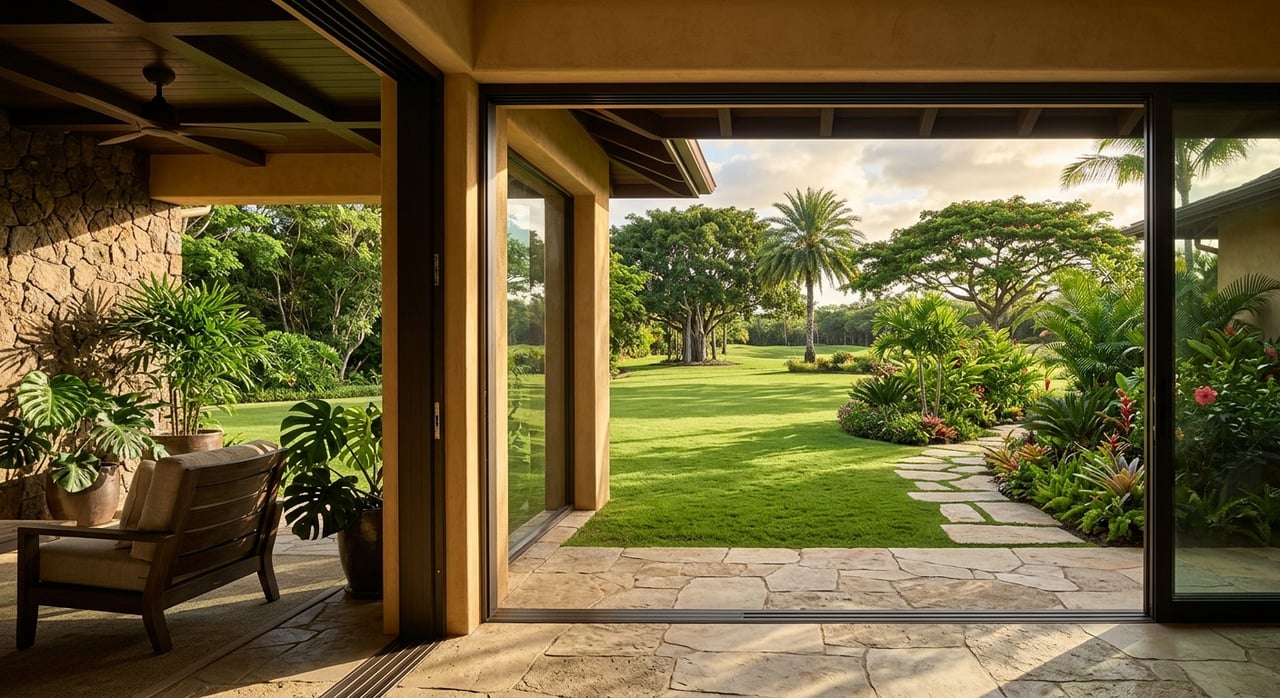
Want more room to breathe without leaving Palm Beach County? That is the appeal of life in The Acreage. If you are curious about what daily living really feels like on a spacious lot here, this guide will help you understand the perks, the trade-offs, and the details worth checking before you buy. Let’s dive in.
Why The Acreage Feels Different
The Acreage is not a typical suburban neighborhood with compact lots and tightly packed streets. It is a census-designated place in Palm Beach County with 41,654 residents, 34.27 square miles of land area, and a population density of 1,215.4 people per square mile, based on 2020 Census data.
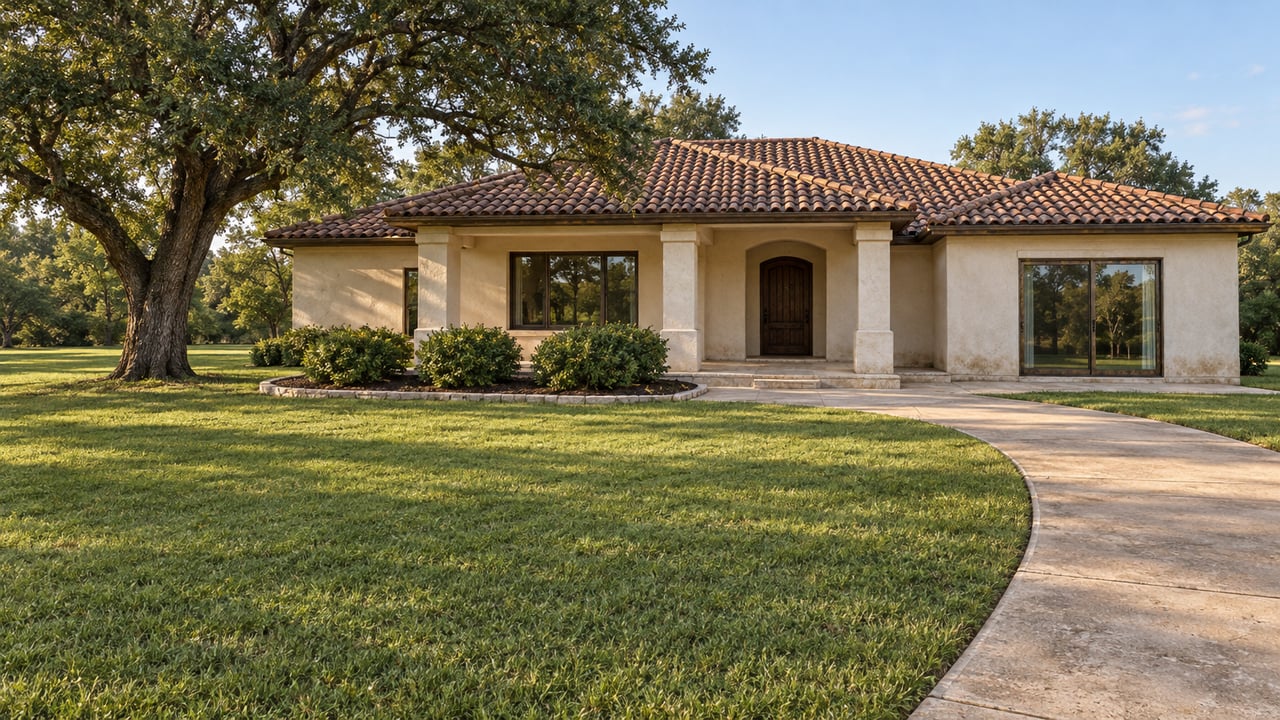
That lower-density feel shows up in how the community is laid out. Palm Beach County planning materials describe The Acreage as a large-lot area with about 15,000 vested home sites across more than 50,000 acres, with a typical residential pattern of roughly 1.25-acre lots and many lots ranging from just over 1 acre to 2.5 acres.
For many buyers, that extra land is the whole point. The Acreage offers a semi-rural lifestyle inside Palm Beach County, with space that can feel harder to find in more conventional subdivisions.
Spacious Lots and Daily Life
When you live on a larger lot, everyday routines can change in practical ways. You may have more room for outdoor projects, storage, hobbies, or flexible yard space than you would on a smaller suburban parcel.
County land-use materials suggest that larger parcels can make it easier to fit uses like gardening areas, play space, and hobby structures. Still, what you can actually do depends on the property’s setbacks, permits, and parcel-specific zoning.
That is an important part of the lifestyle here. The land gives you options, but those options still need to line up with local rules.
More Room for Outdoor Use
A larger lot can create breathing room between your home and the next property. That often changes how you use your yard from day to day, whether you want open space, room for equipment, or areas for projects that need a little distance.
In a place like The Acreage, outdoor living tends to be more functional as well as recreational. You are not just thinking about patio furniture or curb appeal. You may also be thinking about access, storage, drainage, and long-term property upkeep.
A More Hands-On Property Lifestyle
Spacious-lot living often comes with more independence, but it also asks more of you as an owner. The Acreage is not a place where every detail of the property experience feels fully standardized.
That can be a great fit if you want more control over how you use your land. It can also be an adjustment if you are used to smaller-lot neighborhoods with less owner responsibility.
Animals and Property Use
For buyers who want a more flexible lifestyle, animal ownership is often part of the appeal. Palm Beach County zoning guidance says domesticated livestock can be allowed as an accessory use to a single-family residence in the Rural and Exurban Tiers when the property is not in a PUD.
County code materials also note that agricultural districts can permit horses, chickens, pigs, goats, and other livestock or fowl. That does not mean every parcel allows every use, so you should always verify the exact zoning and any applicable permitting requirements before making plans.
This is one of the clearest examples of how The Acreage can differ from a more conventional neighborhood. If your lifestyle includes horses, chickens, or similar uses, zoning review is not a small detail. It is a key part of your home search.
Storage for Boats, RVs, and Trailers
Extra space is another reason buyers consider acreage properties. If you own a boat, trailer, camper, or similar vehicle, a larger lot may offer more flexibility than a smaller suburban homesite.
But more land does not mean no rules. Palm Beach County code guidance says boats, trailers, campers, and similar vehicles cannot be stored between the street and the house, and they may need to be screened when placed in side or rear yards.
That means storage plans should be part of your due diligence. If vehicle storage matters to you, it is smart to confirm how the property layout and local rules work together.
Parks and Outdoor Recreation Nearby
The rural feel of The Acreage is not only about private lots. It is also reinforced by nearby outdoor spaces that support an active, nature-focused lifestyle.
Acreage Community Park is a 45-acre park managed and maintained by the Indian Trail Improvement District. It sits next to the county’s 124-acre Acreage Pines Natural Area, where county materials highlight boardwalks, hiking trails, wildlife viewing, and other passive outdoor uses.
Palm Beach County also offers equestrian trails in selected natural areas. For buyers who value open-air recreation, these nearby amenities add another layer to everyday life in the area.
The Trade-Offs of More Space
The Acreage lifestyle can be appealing, but it comes with responsibilities that are important to understand upfront. More property freedom usually means more self-management.
Indian Trail Improvement District, often called ITID, says it is responsible for drainage, road grading, road improvements, and a neighborhood park system. It also states that swales are part of stormwater storage capacity and can take days to weeks to drain.
That reality can surprise buyers who are more familiar with standard suburban infrastructure. In The Acreage, features like swales, culverts, and road conditions are part of everyday property ownership, not just background details.
Roads, Swales, and Drainage
County planning documents describe a grid roadway network with paved and dirt roads plus swale drainage. That setup helps shape the character of the community, but it also affects your daily experience, especially during rainy periods.
ITID’s materials make clear that residents have responsibilities too. The district says owners must obtain driveway permits and are responsible for maintaining driveways and culverts.
If you are shopping for a home here, these details deserve attention. The condition of the driveway, culvert, road surface, and drainage pattern can affect both convenience and maintenance costs.
Utilities Can Vary by Parcel
One of the biggest assumptions buyers make is that utilities are the same from one home to the next. In The Acreage, that is not always the case.
County planning documents describe the area as characterized by single-family homes on well and septic systems. At the same time, other county planning materials for nearby projects note that county water and sewer infrastructure exists in parts of the area.
The practical takeaway is simple: verify the utility setup for the specific parcel you are considering. You should not assume that one property matches another, even if they are relatively close.
Expect a Car-Dependent Routine
The Acreage offers space, but it is not built around short walks to everyday errands in the way some compact communities are. Daily life here is generally more car-dependent.
The Census Bureau reports a mean travel time to work of 38 minutes for The Acreage. That fits the reality of a spread-out community where work, shopping, and recreation often involve driving.
For many buyers, that trade-off is worth it. Still, it is best to go in with clear expectations about commute patterns and daily travel.
What to Verify Before You Buy
If you are considering a move to The Acreage, a little upfront homework can save you time and frustration later. The goal is to make sure the property truly fits the way you plan to live.
Here are some of the most important items to confirm:
- Zoning and future land use: Verify the parcel’s exact zoning and land-use designation, since local rules help determine whether animals, structures, and certain uses are allowed.
- ITID responsibilities: Review maintenance obligations tied to driveways, culverts, swales, and any road or drainage issues that may affect the lot.
- Utility type: Confirm whether the property uses private well and septic or public water and sewer.
- Animal allowances: If you want horses, chickens, goats, or other animals, check whether the parcel’s zoning supports that use.
- Vehicle storage rules: If you plan to keep a boat, RV, trailer, or commercial vehicle, verify storage and screening requirements before you buy.
These are not minor details in a spacious-lot market. They are part of understanding how the property will function for you day after day.
Why Buyers Are Drawn to The Acreage
The Acreage stands out because it offers genuine space within Palm Beach County. Recent ACS data showing a 92.7% owner-occupied housing rate also points to a community with a strong owner-resident presence rather than a highly transient feel.
For many buyers, that combination matters. You get room to spread out, a semi-rural setting, and a property style that can support a wider range of day-to-day uses than a smaller suburban lot.
At the same time, this is a market where details matter. The best move is to pair the lifestyle vision with careful review of zoning, utilities, drainage, and maintenance responsibilities.
If you want help sorting through those details and finding a property that matches your goals, Chris Latchmansingh offers hands-on local guidance for buyers exploring The Acreage and surrounding western Palm Beach County communities.
FAQs
What is lot size like in The Acreage, Palm Beach County?
- Palm Beach County planning materials describe The Acreage as a large-lot area where the typical residential pattern is about 1.25-acre lots, with many lots ranging from just over 1 acre to 2.5 acres.
Can you keep horses or chickens on a property in The Acreage?
- It depends on the parcel’s zoning and whether the property meets local requirements. Palm Beach County says certain domesticated livestock uses may be allowed in the Rural and Exurban Tiers when the property is not in a PUD, so buyers should verify zoning before purchasing.
Do homes in The Acreage use well and septic systems?
- Many properties in the area are characterized by well and septic systems, according to county planning documents, but utility setup is not uniform across the area and should be checked parcel by parcel.
Is life in The Acreage more car-dependent than other neighborhoods?
- Yes. Census data shows a mean travel time to work of 38 minutes, which aligns with the spread-out, drive-oriented nature of the community.
What maintenance responsibilities come with a home in The Acreage?
- Buyers should pay close attention to swales, culverts, driveways, drainage, and road conditions. ITID says residents are responsible for maintaining driveways and culverts, and swales are part of the area’s stormwater system.
Can you store a boat or RV on a lot in The Acreage?
- Potentially, but county rules still apply. Palm Beach County says boats, trailers, campers, and similar vehicles cannot be stored between the street and the house and may need screening in side or rear yards.