Choosing a buyer’s agent in Wellington can shape your whole home search. This is not a one-size-fits-all market, and the right agent should do more than unlock doors and send listings. You need someone who can explain neighborhood differences, spot local issues that affect resale and day-to-day living, and clearly walk you through representation and negotiation. Here’s how to interview a buyer’s agent in Wellington so you can make a smart, confident choice. Let’s dive in.
Why Wellington Requires Local Knowledge
Wellington is a distinct market within Palm Beach County, with an estimated 2025 population of 61,836 spread across 45.80 square miles, according to the Village of Wellington demographics page. The village also describes itself as a year-round world-class equestrian community, which matters if you are comparing standard subdivisions, condos, acreage, or equestrian properties.
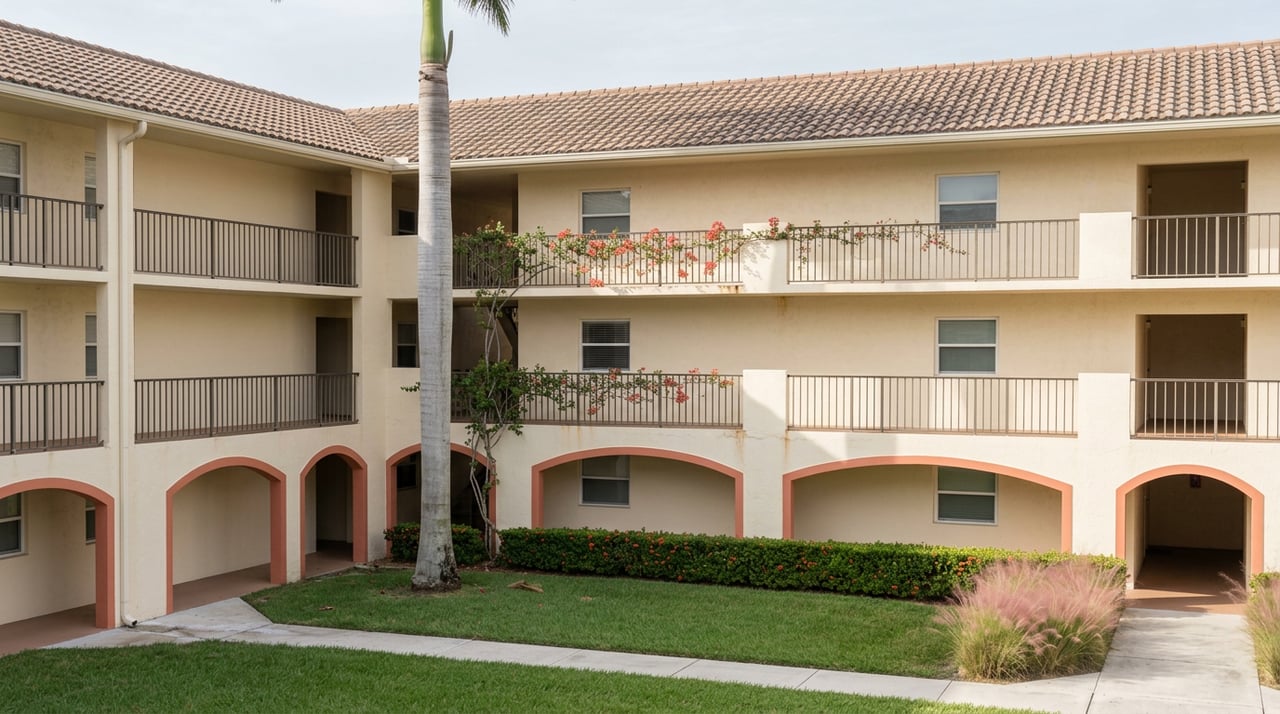
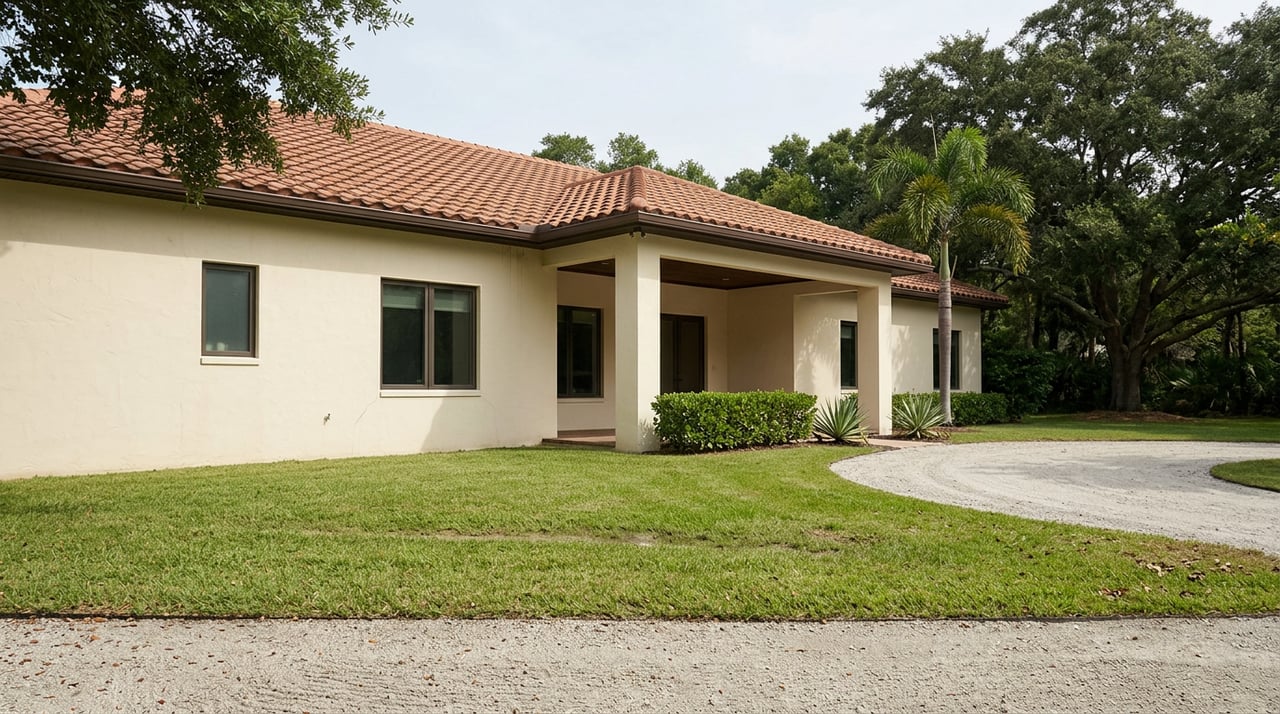
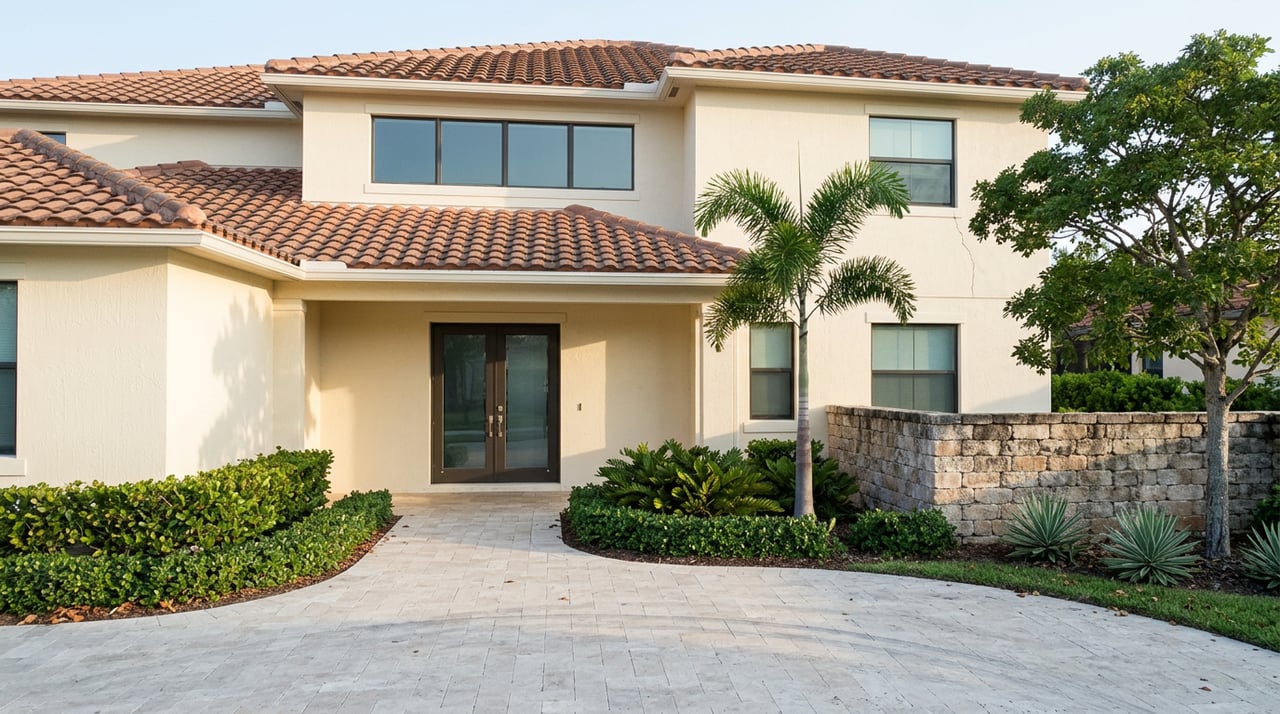
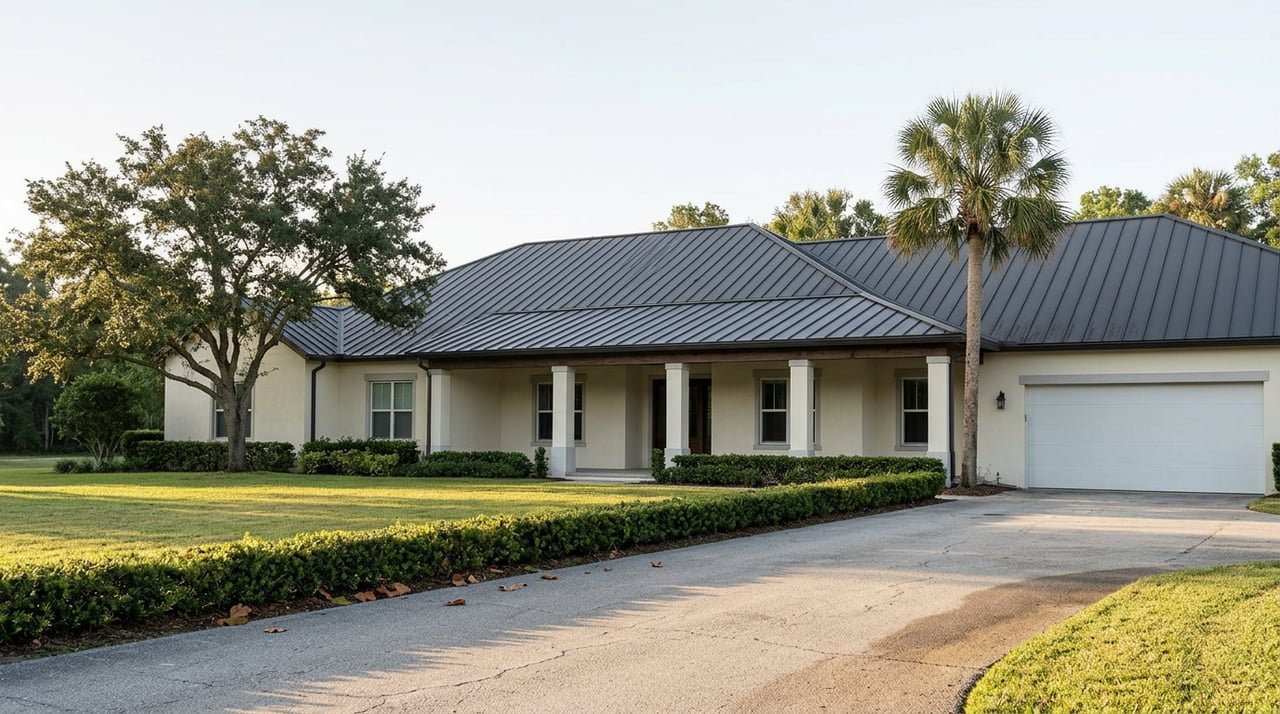
That variety is exactly why your interview questions matter. Wellington includes neighborhoods and property types with very different price points, amenities, and lifestyle considerations. Local market pages for Wellington show everything from luxury areas like Palm Beach Polo and Country Club, Wellington Aero Club, and Paddock Park to communities such as Greenview Shores, Sugar Pond Manor, Olympia, Villagewalk, Buena Vida, and St. Andrews Condominiums.
Even broad market stats can vary by source. For example, Redfin reports a March 2026 median sale price of $641,250 and about 62 days on market, while Realtor.com reports a February 2026 median home sale price of $877,000, 69 days on market, and a 96% sale-to-list ratio, as summarized in the research above. A strong buyer’s agent should be able to explain which data source they use, what property types it reflects, and how that applies to your search.
Ask About Recent Wellington Experience
One of the best first questions is simple: How many Wellington buyers have you represented recently? Then go one step further and ask which neighborhoods and property types they have handled.
A useful answer should be specific. You want to hear whether the agent has worked with buyers in the kinds of areas you are considering, whether that means a condo, a single-family home in an HOA community, an acreage property, or an equestrian estate. In Wellington, local knowledge is much more valuable when it is tied to the exact pocket of the market you want to enter.
Ask Which Areas They Know Best
Do not settle for “I know Wellington well.” Ask which neighborhoods they know best and what tradeoffs they see between them.
That question helps you learn whether the agent understands Wellington as a collection of micro-markets instead of one broad label. Because Wellington neighborhood pricing and inventory vary widely, your agent should be able to compare communities based on housing style, HOA structure, lot size, location, and overall fit for your goals.
Ask How They Verify School Zoning
If school assignment matters to your move, ask the agent: How do you verify school zoning for a specific address? This is a great filter because a careful agent will avoid broad assumptions and point you to address-specific verification.
The School District of Palm Beach County GIS map catalog maintains current attendance maps for elementary, middle, and high schools. The district’s high school map list includes both Wellington Community and Palm Beach Central, and some district schools are choice-only with no attendance area. That means school information should always be confirmed for the exact address you are considering.
A strong answer shows the agent understands that school boundaries can change and that neighborhood reputation is not the same as verified zoning. That kind of care can help you avoid costly assumptions during your search.
Ask About Flooding, Drainage, and Property Conditions
A buyer’s agent should also understand the issues outside the home. In Wellington, that includes drainage, flooding, roads, surface water, and equestrian trails.
The Village of Wellington Public Works Department handles roads, surface water, drainage and flooding, and equestrian trails. ACME also states that its mission includes drainage, water management, and infrastructure development in western Palm Beach County, which is especially relevant if you are looking at acreage, canal-adjacent property, or homes in lower-lying areas.
Why This Question Matters
Ask the agent what local conditions they watch for when evaluating a property. Their answer should go beyond the house itself and include lot drainage, nearby canals, roadway access, and any neighborhood-specific concerns that could affect how you use the property.
This is especially important if you want horse property or larger lots. In that case, local infrastructure and land characteristics can be just as important as the home’s floor plan.
Ask About Parks and Lifestyle Fit
Wellington offers a broad recreation system, so it is reasonable to ask how an agent helps match your search to your lifestyle. If parks, trails, sports facilities, or recreation access matter to you, say so early in the interview.
According to ACME’s parks and recreational facilities information, Wellington has 32 park sites. An agent who knows the area well should be able to help you think through location and convenience in a practical way, especially if your daily routine includes outdoor activities, sports, or community amenities.
Ask About Representation Type in Florida
This is one of the most important interview questions: Will you represent me as a single agent or a transaction broker? In Florida, that distinction matters.
Under Florida Statute 475.278, transaction brokerage is the presumed relationship unless a single-agent or no-brokerage relationship is established in writing. The same law also states that dual agency is not allowed in Florida.
What the Difference Means
A transaction broker provides limited representation. A single agent has additional duties that include loyalty, confidentiality, obedience, and full disclosure.
You do not need to memorize the statute during your interview. You just need the agent to explain their approach clearly, in plain language, so you understand what level of representation you are getting.
Ask What the Buyer Agreement Covers
Another key question is: What does your buyer agreement cover, and how is compensation handled? This should never feel vague.
The National Association of Realtors settlement guidance for buyers and sellers states that written buyer agreements are required before touring homes under the practice changes that took effect August 17, 2024. NAR also states that compensation is fully negotiable and not set by law.
A strong agent should walk you through the agreement’s services, length, and payment terms. They should also explain what they will actually do for you, such as identifying properties, arranging tours, negotiating, and presenting offers, instead of glossing over the details.
Ask How They Communicate During the Search
Responsiveness can make or break your buying experience. Ask how often you will get updates, whether the agent handles showings personally, how quickly they present offers and counteroffers, and what happens if you are targeting a fast-moving segment of the market.
Florida law requires timely presentation of offers and counteroffers under Florida Statute 475.278. During your interview, listen for a communication plan that feels clear and realistic, not just reassuring.
Signs of a Good Answer
Look for details like these:
- How the agent prefers to communicate
- How quickly they typically respond
- Who covers if they are unavailable
- Whether they preview or attend showings personally
- How they keep you updated during negotiations
In a market like Wellington, speed matters in some pockets more than others. A thoughtful agent should be able to adjust strategy based on the property type and competition level.
Ask About New Construction Experience
If you are considering a new home, ask whether the agent has recent new-construction experience in Wellington. This is not the same as resale experience, and the differences matter.
The Village of Wellington Planning, Zoning & Building Department oversees development, building, and property regulations. The village also notes that permits submitted on or after December 31, 2023, must comply with the 8th Edition (2023) Florida Building Code.
A buyer’s agent with relevant experience should be able to explain how they compare new construction with resale in the same area. That conversation should include builder timelines, lot premiums, inspections, warranty language, HOA setup, and how the total value compares with an existing home nearby.
Ask How They Handle Multiple Offers
When you find the right home, your agent’s negotiation style starts to matter fast. Ask: How do you approach multiple-offer situations and confidentiality?
According to NAR’s consumer guide to multiple-offer negotiations, buyer representatives should explain the pros and cons of different strategies, and some offer details may not remain confidential. Your agent should be able to discuss how they balance price, contingencies, timing, and negotiating position based on the home and the situation.
A good answer is not “I always tell my buyers to do X.” It is a strategy conversation tailored to your budget, comfort level, and goals.
A Simple Wellington Interview Checklist
Bring this list to your interviews so you can compare answers side by side:
- How many Wellington buyers have you represented recently?
- Which Wellington neighborhoods do you know best?
- What property types have you handled most recently?
- How do you verify school zoning for a specific address?
- What local issues do you watch for besides the house itself?
- Will you represent me as a single agent or a transaction broker?
- What does your buyer agreement cover?
- How is compensation handled?
- How do you communicate during the search and offer process?
- What is your experience with new construction in Wellington?
- How do you advise buyers in multiple-offer situations?
How to Choose the Right Fit
The best buyer’s agent for you is not necessarily the one with the flashiest marketing or the broadest claim of local expertise. It is the one who listens closely, answers clearly, and can connect Wellington-specific facts to your actual search.
You want someone who understands that Wellington is not one uniform market. You also want someone who will explain representation, communicate consistently, and guide you through details that affect your decision long after closing.
If you want practical, senior-level guidance as you prepare to buy in western Palm Beach County, Chris Latchmansingh is here to help with a straightforward, responsive approach.
FAQs
What should I ask a buyer’s agent about Wellington neighborhoods?
- Ask which Wellington neighborhoods and property types they have handled recently, and how they compare the tradeoffs between the specific areas you are considering.
How can a buyer’s agent verify school zoning in Wellington?
- A careful agent should verify school zoning by checking the exact address against the School District of Palm Beach County’s current GIS attendance maps rather than relying on general neighborhood assumptions.
Why should I ask a Wellington buyer’s agent about flooding and drainage?
- Wellington Public Works and ACME both highlight drainage, flooding, and water management as important local issues, so this question helps you understand risks and property-use concerns beyond the home itself.
What is the difference between a single agent and a transaction broker in Florida?
- Florida law presumes transaction brokerage unless another relationship is created in writing, and single-agent representation includes additional duties such as loyalty, confidentiality, obedience, and full disclosure.
Do I need a written buyer agreement before touring homes in Wellington?
- Yes. NAR’s post-settlement guidance says written buyer agreements are required before touring homes, and the agreement should clearly explain services, duration, and compensation terms.